Coffin vs. Almond Nails: A Nail Tech's Breakdown of Your Two Favorite Shapes
Alright, let's talk shapes. If you've been in my chair or scrolled through a nail inspo page, you've seen the endless debate: coffin versus almond. They're both wildly popular, both ridiculously chic, and both can make your hands look amazing. But they are not the same, and choosing between them comes down to more than just a pretty picture. I've shaped thousands of nails, and I'm here to give you the real-deal, technician's perspective on coffin vs almond nail shape so you can pick your perfect match.
Think of it like choosing between a classic stiletto heel and a sleek ankle boot. Both are stylish, but they serve different vibes and work with different lifestyles. Let's break it all down.
What Are We Actually Talking About? Defining the Shapes
Before we compare, we need to be crystal clear on what each shape is. I see mix-ups all the time!
The Coffin (or Ballerina) Shape
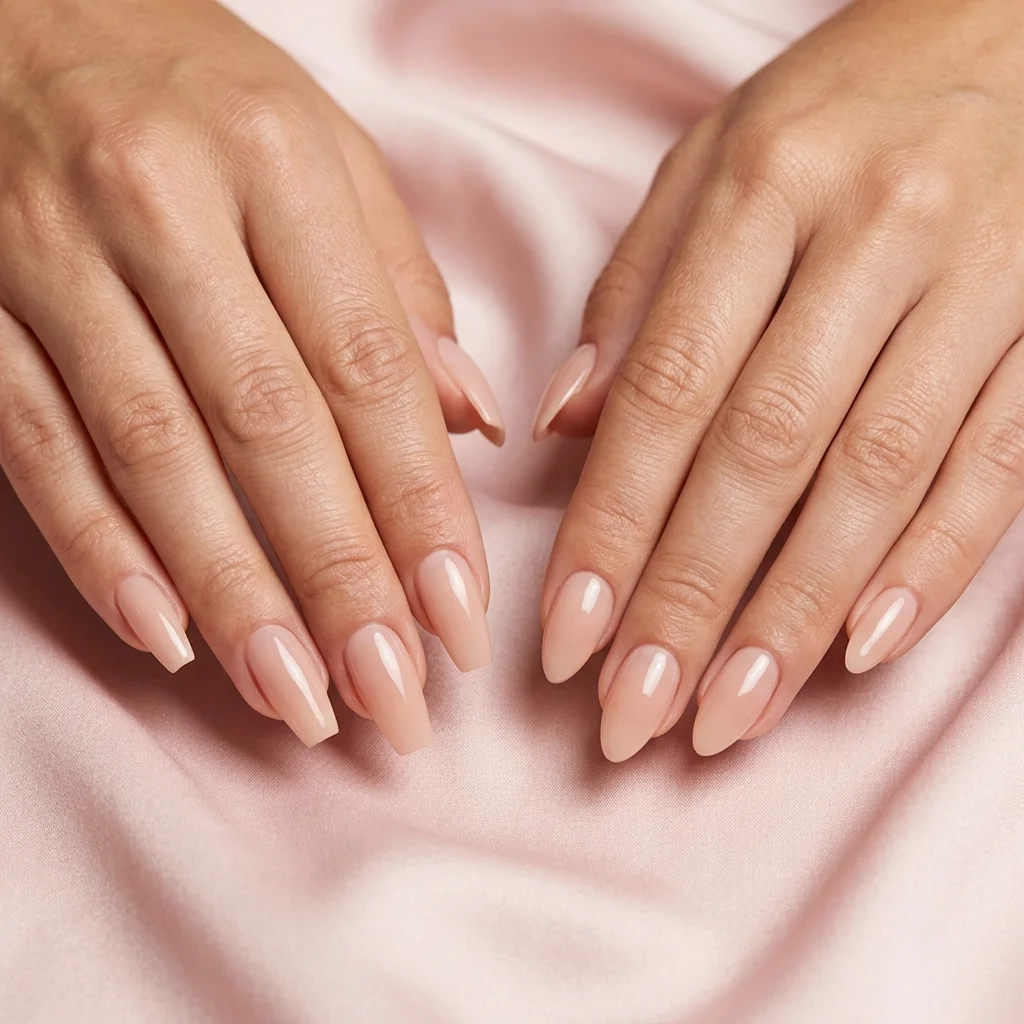
Imagine a ballet slipper. That's the inspiration. Coffin nails have straight, sharp sides that taper in gently towards the tip, and then that tip is filed straight across, creating a flat, squared-off end. The profile is very geometric and bold. It's strong, it's architectural, and it makes a definite statement. The key is that the straight sides and flat tip create that distinct "coffin" look.
The Almond Shape
This one's softer, more organic. An almond nail is filed into a gentle, tapered point that is rounded off at the tip—like the shape of an actual almond nut. The sides are curved, not straight, creating a very feminine, elegant silhouette. It's less about sharp edges and more about a smooth, elongated taper.
The Grand Comparison: Coffin vs. Almond Nail Shape
Now for the main event. We'll judge them on the three things that matter most: how they look, how they hold up, and how they fit into your real life.
1. The Aesthetic & Finger-Lengthening Effect
This is usually the first thing clients ask about. "Which one will make my fingers look longer?"
- Almond: This is the queen of elongation. The continuous, tapered curve from the cuticle to the tip creates an unbroken line that visually lengthens your fingers. It's incredibly flattering on virtually every hand type, especially those with shorter nail beds or wider fingers. It gives an elegant, graceful look.
- Coffin: Coffins also elongate, but in a different way. The flat tip creates a strong horizontal line that can make the nail bed appear wider before it tapers. This shape adds more drama and width at the tips, which can balance out longer, more slender fingers beautifully. On very short fingers, the blunt tip can sometimes create a "stumpy" illusion if the nail isn't long enough to show off the taper.
My Pro Tip: If your primary goal is making your hands and fingers look longer and more slender, almond is almost always your safest, most universally flattering bet.
2. Durability & Strength
This is where function meets fashion. A beautiful shape that breaks constantly is no good.
- Coffin: That flat, squared-off tip is its strength... and its potential weakness. The straight edge is prone to catching on things—door handles, pockets, you name it. If you're rough with your hands or use them a lot for typing or manual tasks, the corners are the first points of contact and are more likely to chip or snag. However, the strong, structural sides can be very durable if maintained.
- Almond: The rounded, tapered tip is a champion of durability. There are no hard corners to catch on anything. The natural curve distributes pressure evenly, making it less likely to break from side impacts. For daily wear and tear, especially if you're active with your hands, almond is the more forgiving shape.
My Pro Tip: For my clients who are hard on their nails (nurses, moms, artists, constant typists), I often recommend almond for its resilience. Coffin is a fantastic shape for those who are more mindful of their nails or use them primarily for aesthetics.
3. Maintenance & Growth-Out
No shape is zero-maintenance, but some are easier to live with between appointments.
- Almond: As your natural nail grows out, the shape is very easy to maintain. The soft curve is forgiving of minor unevenness in growth. You can often do a quick file at home to keep it looking tidy until your next salon visit.
- Coffin: This shape shows growth more obviously. As the nail grows, the straight sides can start to look uneven, and maintaining that perfectly flat, sharp tip requires precision. It's a shape that really benefits from professional upkeep every 2-3 weeks to keep its crisp lines looking fresh.
The Decision Matrix: Which Shape is for You?
Let's put it all together in a simple table to help you decide.
| Consideration | Coffin Shape | Almond Shape |
|---|---|---|
| Best for Finger Lengthening | Good, adds drama & width | Excellent, most universally elongating |
| Durability | Moderate (corners are vulnerable) | High (rounded tip is resistant) |
| Best for Hands That Are... | Slender, long fingers. Creates balance. | Any hand, especially shorter fingers or wider nail beds. |
| Best for a Lifestyle That Is... | Mindful, less hands-on, style-focused. | Active, busy, uses hands frequently. |
| Maintenance Level | Higher (needs precise reshaping) | Lower (more forgiving between fills) |
| Vibe | Bold, modern, edgy, high-fashion. | Elegant, classic, feminine, soft. |
But What About the "Squoval"? The Happy Medium?
A lot of clients ask for a "squoval" (square + oval) thinking it's the same as coffin. Let's clear that up! A squoval has a square base but the corners are rounded off into a soft, oval shape. It lacks the dramatic taper of a coffin and the strong point of an almond. It's a great, strong, low-maintenance shape, but it's a different category entirely. When we're talking coffin vs almond, we're comparing two distinct silhouettes that both require length to really show off their form.
How to Choose: A Nail Tech's Final Advice
Here's my step-by-step guide to making the choice:
- Look at Your Hands: Be honest about your finger shape. Do you want to add the illusion of length? Lean almond. Do you have naturally long, slender fingers and want to add a modern edge? Coffin could be perfect.
- Consider Your Daily Routine: Be realistic. If you type all day, care for kids, or work with your hands, almond's durability will be your best friend. If your nails are more for weekend glam, you can afford the extra caution a coffin requires.
- Think About Your Style: Are you classic and feminine? Almond. Are you trendy, bold, and love a sharp look? Coffin.
- Start with Almond if Unsure: Seriously. It's the versatile workhorse. It looks good on everyone and is easier to adapt to. You can always sharpen it into a more stiletto-like point later if you want more drama.
FAQ: Your Coffin vs. Almond Questions, Answered
Which shape lasts longer?
Generally, almond nails last longer without chipping or breaking because the rounded tip is less likely to catch on things and snap. Coffin nails, while strong, are more vulnerable at their sharp corners.
Are coffin nails outdated?
Absolutely not. While trends ebb and flow, the coffin shape has cemented itself as a modern classic. It might be less ubiquitous than it was at its peak popularity, but it remains a strong, fashion-forward choice, especially in longer lengths and with bold nail art.
Which shape is better for short nails?
For very short natural nails, almond is the only viable option between the two. You need enough length to create the taper. Coffin nails require a significant free edge to get that flat tip without looking stubby. If you want a shape for short nails, look into squoval or soft square.
Can I switch from one to the other?
You can, but it takes patience. You'll need to grow out the nail to have enough length to properly re-file it into the new shape. Trying to force a new shape on a short nail won't look right. This is a transition to discuss with your tech—they can help guide your growth and maintain strength during the process.
So, there you have it. The coffin vs. almond nail shape debate doesn't have a single right answer—only what's right for you. My final thought? Don't be afraid to try both over time! Your nail shape is an accessory you can change. Have fun with it, and find the one that makes you feel confident every time you look at your hands.