The fastest way to wreck your natural nails isn't the gel — it's how you take it off. Picking and peeling gel pulls layers of your nail plate right off with it, leaving them thin, white, and weak. The good news: removing gel at home is genuinely easy and damage-free once you know the method. The video above walks through several ways to do it; below, I've broken down the foolproof acetone soak, the no-drill approach, and exactly how to keep your nails healthy through removal.
The short answer
Buff the shiny top layer, soak in acetone for 10–15 minutes, and gently push off the softened gel. If it resists, soak longer — never scrape or peel.
Why removal matters more than application
Gel itself doesn't damage your nails — improper removal does. When gel is fully cured it bonds tightly to the nail surface, so yanking or peeling it off takes the top layers of keratin with it. That's what causes the thin, peely, sensitive nails people blame on gel. Do removal right and your natural nails come out perfectly healthy underneath. The whole process takes about 20 minutes and needs almost nothing you don't already own.
What you'll need
- Pure acetone (not regular nail polish remover — it's too weak)
- A hand buffer or file to break the top coat's seal
- Cotton balls or pads and aluminum foil (or soak-off clips)
- A cuticle pusher or orange stick to gently nudge gel off
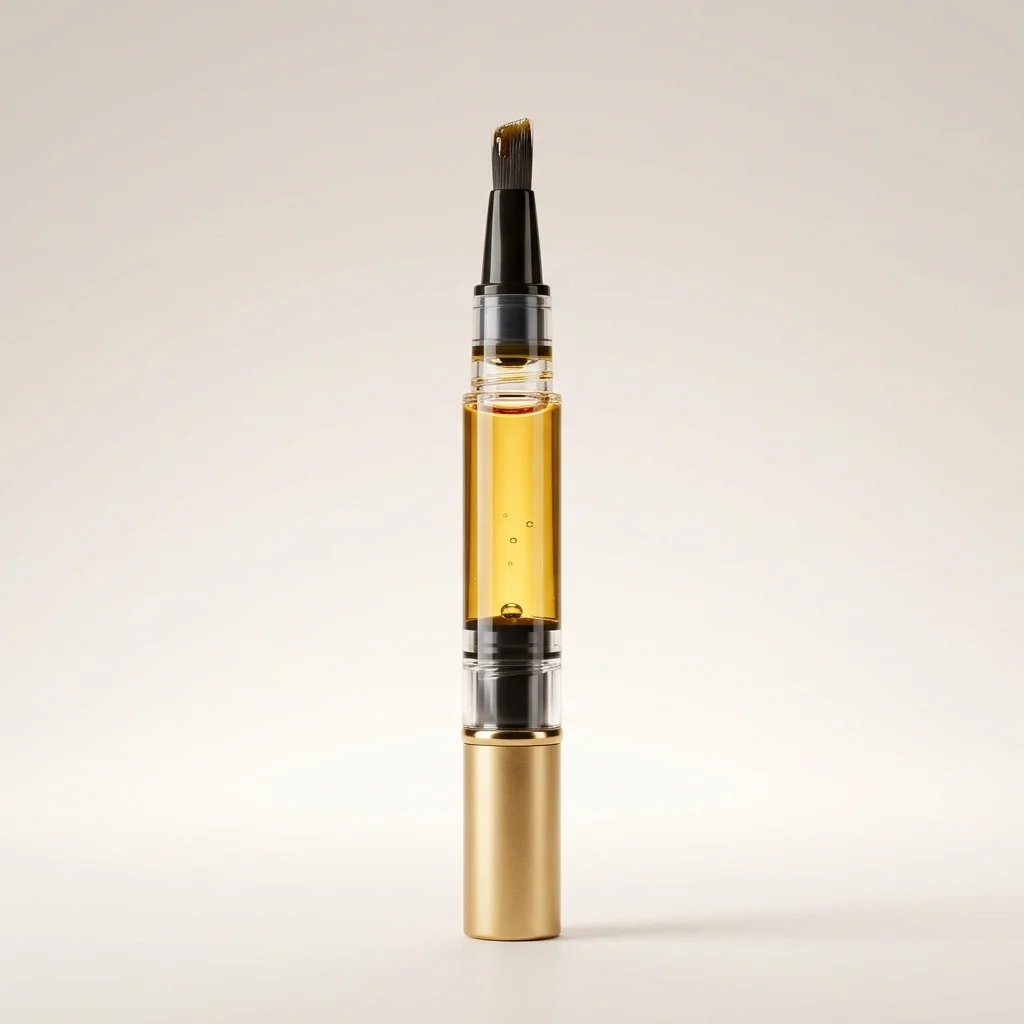
- Cuticle oil and hand cream to rehydrate afterward — a cuticle oil pen makes this easy
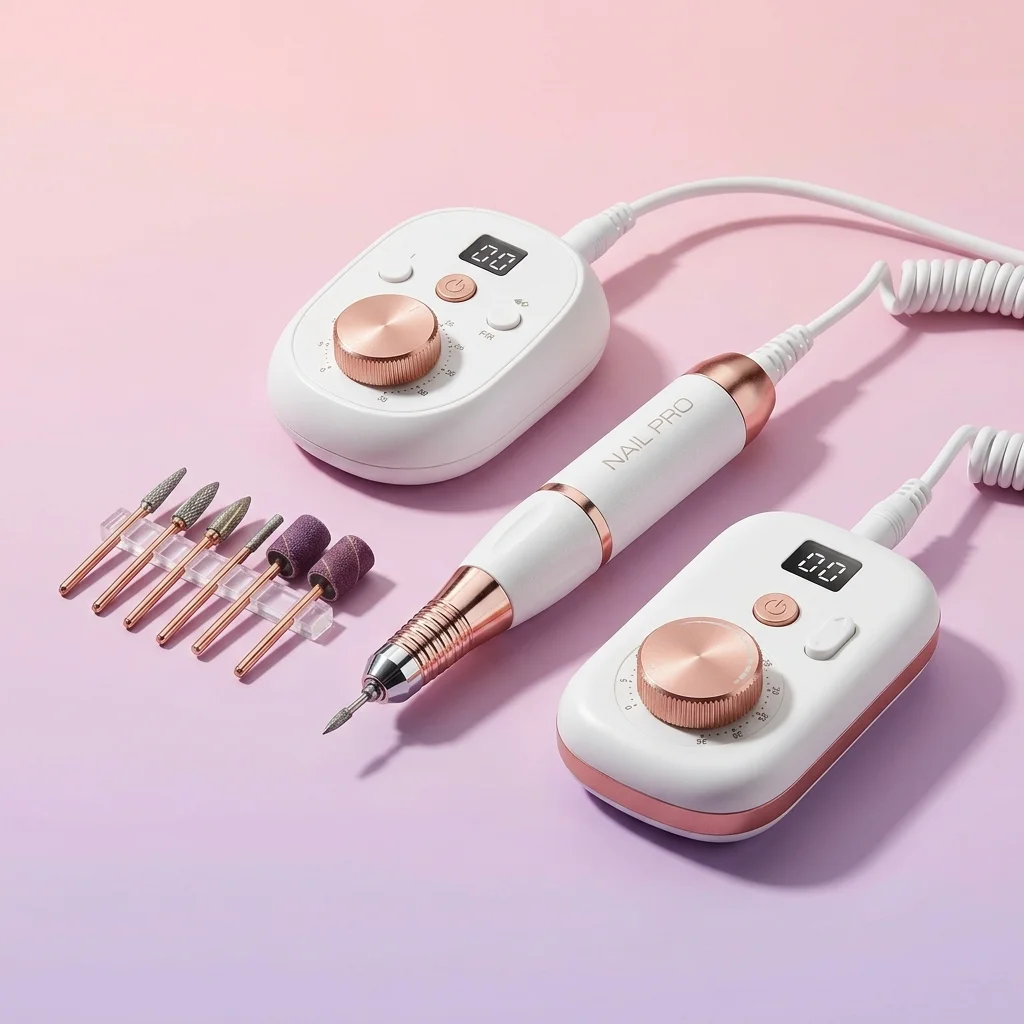
- Optional: an e-file to speed up filing the bulk off first (gentle, optional)
The foolproof acetone soak (step by step)
- 1. Break the seal. Lightly buff the shiny top coat off each nail. Acetone can't penetrate a glossy sealed top, so this step is what makes the whole thing work. You're just dulling the surface, not filing into color.
- 2. Soak the cotton. Saturate a cotton pad with pure acetone, lay it on the nail, and wrap the fingertip in foil to hold it in place. Soak-off clips work too and are reusable.
- 3. Wait 10–15 minutes. Let it sit. Resist checking every two minutes — the gel needs time to soften fully.
- 4. Push, don't scrape. Remove the foil and gently push the softened gel off with a cuticle pusher. It should slide off easily.
- 5. Re-soak stubborn spots. If any gel resists, don't force it — re-wrap and soak another 5 minutes. Forcing is exactly what damages the nail.
- 6. Rehydrate. Acetone is drying, so finish with cuticle oil and hand cream. This is non-negotiable for healthy nails.
The no-drill, low-acetone alternatives
If you don't want to soak, a gentle e-file can take down most of the bulk of the gel first — but stop before the natural nail and finish with a short acetone soak; never drill all the way to your nail plate. There are also peel-off base coats you can apply before your next manicure that let gel lift off without any acetone at all — great if you change your color often. Whatever the method, the rule never changes: soften and lift, don't pry.
Do this, not that
Do this
- Buff the top coat first so acetone can work
- Soak the full 10–15 minutes before touching it
- Gently push off softened gel; re-soak if it sticks
- Flood your nails with cuticle oil afterward
Avoid this
- Peeling or biting gel off (takes your nail with it)
- Using weak polish remover instead of pure acetone
- Scraping hard at gel that hasn't softened
- Drilling down to the natural nail plate
Questions people keep asking
Can I remove gel without acetone?
Mostly no for standard gel — acetone is what dissolves it. The exceptions are peel-off base coats applied before your manicure, or filing most of it off with an e-file. But for already-applied gel, a short acetone soak is the safe standard.
How long should I soak?
10–15 minutes after buffing the top coat. If gel still resists, re-soak in 5-minute increments rather than forcing it.
Will removing gel damage my nails?
Not if you soak and push instead of peel. Damage comes entirely from mechanical force — picking, peeling, or scraping unsoftened gel.
Is regular nail polish remover okay?
No — acetone-free or weak removers won't break down gel. Use 100% pure acetone for gel removal.
How do I fix nails that already got damaged?
Keep them short, flood them with cuticle oil daily, and give them a break or use a strengthening base. They'll grow out healthy — the thin layers are already gone, so it's about protecting new growth.
Bottom line
Removing gel at home is easy and totally safe when you soften it instead of forcing it: buff the top, soak in pure acetone for 10–15 minutes, gently push off, and rehydrate. Follow the video and these steps and your natural nails come out healthy every time — no salon trip, no damage. Keep a cuticle oil pen on hand for the all-important rehydrate step.
Disclosure: As an Amazon Associate we earn from qualifying purchases made through links on this page, at no extra cost to you. The embedded video is the work of its respective creator.